
Support for prepayment customers
Published 22 December 2023 · Updated 24 November 2026
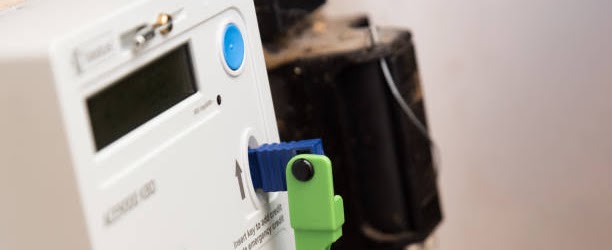
Prepayment meters are a great option if you like to stay in control of your spending. But they are much more common in lower-income and vulnerable households. Energy suppliers can move customers onto a prepayment meter if they owe money and an agreement hasn’t been reached.
Run out of credit right now? Use your emergency credit first. On most meters you press a button (often “A” or “B”) or follow the prompt on screen. Then contact your supplier and ask for discretionary credit.
Discretionary credit
If you can’t afford to top up, you can ask your supplier to lend you some credit. This is called discretionary credit. It should be used as a stop-gap while you find a longer-term solution.
Most suppliers have a limit of around £100 per fuel, per year. This varies by supplier. Here are the limits we know about:
| Supplier | Discretionary credit limit |
|---|---|
| Octopus Energy | £100 per fuel, per year |
| Utilita | £60 for gas, £40 for electricity (available again once repaid) |
| British Gas, E.ON Next, OVO, EDF, Scottish Power | Not published. Ask your supplier. |
How it’s paid back
Discretionary credit is usually paid back through your future top-ups.
- Traditional electricity meters and all smart prepay meters: usually at a set weekly amount, commonly between £1 and £10 a week, per meter.
- Traditional (key or card) gas meters: a percentage of each top-up, set between 10% and 90%, depending on your supplier’s policy.
If the repayment rate leaves you unable to afford enough energy, tell your supplier. They must take into account what you can afford to pay.
If you’ve reached your limit
Energy suppliers have a duty of care to keep you on supply. But they also have a duty to keep your debt manageable. If your supplier says you’ve reached your discretionary credit limit, there are still things you can try:
- Ask about hardship funds and support credit. Most large suppliers have a hardship fund or can add support credit for customers in vulnerable situations.
- Ask to lower your debt repayment rate, so more of each top-up goes on energy you use.
- Join the Priority Services Register if you’re eligible. It’s free, and it helps your supplier know you need extra care. Find out more.
- Check what support you can get with our support finder. For example, you may be able to get the Warm Home Discount.
- Apply to an independent fund. The British Gas Energy Trust gives grants to people with any supplier.
External support
- Citizens Advice can help you deal with your supplier and check your options. Call the consumer helpline on 0808 223 1133.
- Free debt advice from StepChange or National Debtline, if you’re behind on other bills too.
- Your local council may run a Household Support Fund or crisis support scheme that can help with energy costs.
See all the organisations that can help on our Get help page.
Your rights on prepayment
There are strict rules on when a supplier can fit a prepayment meter if you haven’t asked for one. Suppliers must not do it in some situations, for example if everyone in the home is aged 85 or over, or if someone relies on electricity for medical equipment. They must also try other ways to help you pay first, and carry out a welfare check.
If you think you were moved onto prepayment unfairly, you can complain. Our complaint letter builder can help.
Still stuck? Don't let it slide. Try our free tools or see who can help.